

 English
  Español
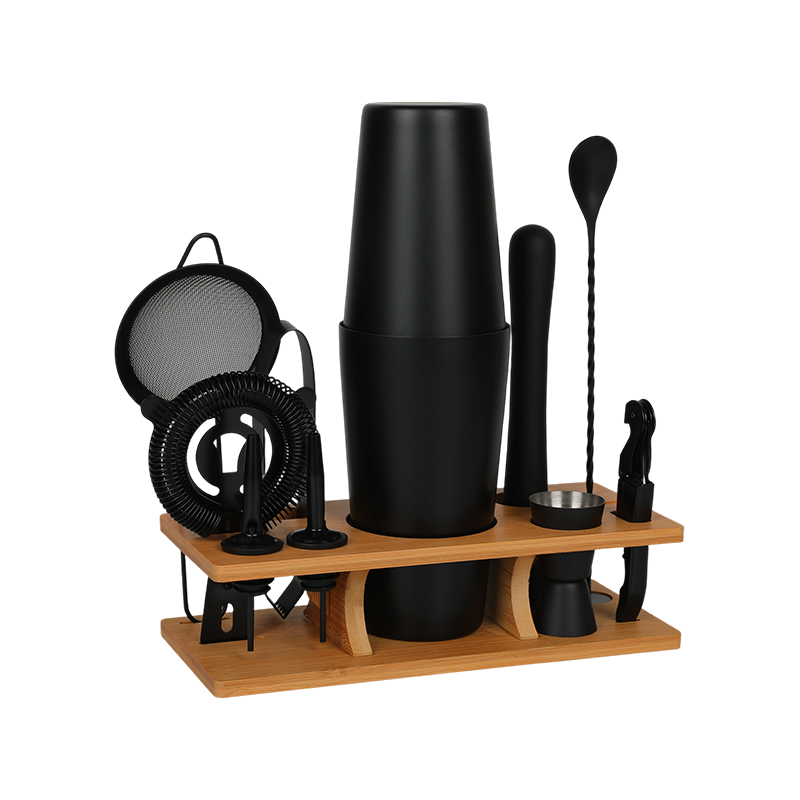
Fast-moving beverage counters, restaurant lounges, rooftop bars, and café drink stations are placing more attention on workflow efficiency and equipment practicality. A stainless steel bartender kit combined with a Boston shaker bar set is increasingly used in restaurant beverage service because it supports quicker drink preparation, organized tool access, and simpler cleaning routines during daily operations. Rather than focusing only on presentation, restaurant managers and beverage staff are paying closer attention to how bar tools affect serving speed, workstation movement, and consistency during busy service periods.
Restaurant beverage programs have expanded beyond traditional cocktails in recent years. Mixed juices, mocktails, signature drinks, cold brew combinations, and fruit-based sparkling beverages now appear in many dining environments. This shift has increased the need for equipment that can adapt to repeated mixing tasks while remaining easy to maintain across long operating hours.
Beverage Service Challenges in Modern Restaurants
Restaurant beverage service differs from standalone cocktail bars because staff often manage multiple responsibilities simultaneously. Bartenders may prepare drinks while communicating with kitchen teams, processing customer requests, organizing ingredients, and handling takeaway orders. Under these conditions, inefficient tools can interrupt workflow more frequently than expected.
One common issue involves equipment setup time. Shakers with multiple threaded components may require extra handling before and after mixing. During high-order periods, repeated assembly and disassembly can slow preparation speed, especially when drink menus include several shaken beverages.
Counter organization also affects beverage output. When strainers, muddlers, jiggers, and spoons are stored separately without a coordinated setup, staff spend more time reaching across workstations. In smaller restaurant bars where preparation space is limited, this can create congestion between team members.
Cleaning requirements are another factor. Beverage stations often operate continuously throughout lunch and dinner service, leaving limited time for complicated washing procedures. Equipment with smooth surfaces and fewer connection points generally fits more easily into fast cleaning cycles.
Restaurants are also adapting to customer expectations around drink presentation. Stainless steel tools are frequently selected because they maintain a consistent appearance even with repeated daily handling. For open bar counters where customers can observe beverage preparation directly, tool condition becomes part of the visual experience.
How Equipment Design Has Changed With Restaurant Workflow
The popularity of the Boston shaker format is closely connected to operational simplicity. Its two-piece construction allows bartenders to move from shaking to pouring with fewer mechanical steps compared with some traditional capped shaker systems.
A standard Boston shaker usually includes two metal tins or one metal tin paired with a mixing glass. Many restaurant operators now prefer all-metal configurations because they are lighter to transport, less likely to break, and easier to cool during mixing.
Several practical adjustments in modern bartender kits are designed to support restaurant workflow:
|
Tool Component |
Practical Function |
Restaurant Use Benefit |
|
Stainless steel shaker tins |
Handle repeated cold shaking |
Supports continuous drink preparation |
|
Hawthorne strainer |
Separates ice and fruit pulp |
Helps maintain pouring speed |
|
Double-sided jigger |
Measures different liquid volumes |
Reduces switching between tools |
|
Mixing spoon |
Assists layered or stirred beverages |
Supports menu flexibility |
|
Muddler |
Breaks down herbs and fruits |
Useful for fresh ingredient drinks |
|
Storage stand |
Keeps tools organized |
Helps reduce counter clutter |
Restaurant operators are also paying attention to material thickness. Shaker tins with balanced weight may provide steadier movement during mixing, particularly during long shifts where repetitive hand motion affects staff comfort.
Another change involves compatibility with commercial cleaning systems. Stainless steel bartender tools are commonly selected because many models can be cleaned in dishwashers without additional coating maintenance procedures.
Beverage Stations That Commonly Use Boston Shaker Sets
The use of Boston shaker sets is no longer limited to traditional cocktail bars. Different food service environments now include beverage preparation areas that benefit from compact mixing tools and organized accessory layouts.
Restaurant beverage stations using these kits often include:
- Hotel dining lounges
- Rooftop restaurants
- Café beverage counters
- Mobile catering bars
- Event banquet services
- Open-kitchen dining concepts
- Juice and mocktail preparation stations
In hotel restaurants, bartenders may prepare alcoholic and non-alcoholic beverages side by side during breakfast, lunch, and dinner operations. Equipment that transitions smoothly between recipes can help reduce interruptions when switching between beverage categories.
Outdoor catering services also benefit from portable bar equipment. Since temporary service stations often have limited preparation space, compact stainless steel kits simplify transport and storage during setup and breakdown procedures.
Some cafés have also introduced shaker sets for cold beverage preparation involving fruit syrups, espresso combinations, sparkling drinks, and flavored tea mixtures. As beverage menus diversify, multifunctional mixing tools become more relevant outside traditional cocktail environments.
Operational Examples From Restaurant Beverage Teams
Several hospitality businesses have adjusted their beverage preparation systems after identifying delays linked to older shaker designs and scattered workstation layouts.
A mid-sized urban restaurant serving lunch and evening cocktail service recently reorganized its beverage counter by switching to standardized stainless steel bartender kits across all stations. Staff training reports noted fewer interruptions caused by mismatched shaker parts and reduced time spent locating accessories during service hours. Managers also observed that the consistent tool arrangement simplified onboarding for newly hired bartenders.
Another example comes from a banquet catering team handling conference events and wedding receptions. Previously, bartenders used a combination of plastic mixing tools and threaded cocktail shakers. During large-volume service, lids occasionally became difficult to open after repeated cold shaking. After changing to Boston shaker bar set configurations, the team reported smoother transitions between drink batches and faster cleaning during event breakdown.
While beverage speed depends on staffing levels, menu complexity, and preparation layout, equipment structure still contributes to operational consistency over time.
