
 English
  Español
Making cocktails at home requires more than just a shaker and some spirits. A proper home bar needs a jigger, strainer, mixing spoon, muddler, and often a few other tools. Buying each piece separately is time-consuming and usually more expensive. A barware kit factory solves this problem by bundling essential tools into one box. The customer gets everything needed to start mixing drinks, and the retailer sells a complete solution instead of individual pieces.
A barware kit factory typically produces sets ranging from basic to professional. Entry-level kits include a shaker, jigger, and bottle opener. Mid-range sets add a strainer, mixing spoon, and muddler. Premium kits include everything plus a stand, recipe cards, and sometimes glassware. The factory decides which combination of tools goes into each kit based on price points and target customers.
Components and Quality Levels
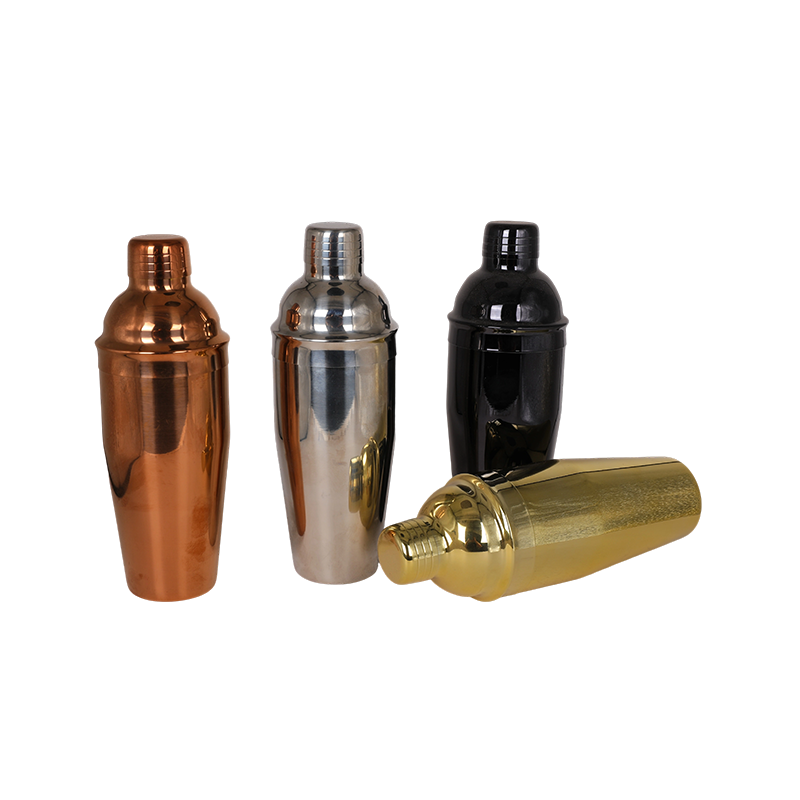
The products from a barware kit factory include several common items. The shaker is usually the centerpiece. Boston shakers use two interlocking tins. Cobbler shakers have a built-in strainer and cap. The factory chooses one style based on the kit's intended user. Beginners often prefer cobbler shakers because they are simpler to use. Experienced home bartenders lean toward Boston shakers.
Other components in a barware kit factory product line include:
- Jiggers with dual-sided measuring cups for different pour sizes
- Hawthorne strainers with springs that fit over shaker tins
- Long-handled mixing spoons with twisted shafts for stirring
- Wooden or stainless steel muddlers for crushing herbs and fruit
Ice tongs and bottle openers as added accessories
Quality varies across different barware kit factory outputs. Low-end kits use thin stainless steel that dents easily and feels light. Mid-range kits use 18/8 or 18/10 stainless steel with better weight. High-end kits may include copper or brass accents, weighted shakers, and mirror finishes. The factory matches materials and construction to the target retail price.
Manufacturing Process
Production at a barware kit factory involves multiple lines. Shaker bodies are stamped or spun from stainless steel sheets. Stamped parts are cut from flat stock then welded. Spun parts are formed on lathes for seamless construction. Seamless shakers look cleaner and do not trap residue in weld lines. barware kit factory operations use a mix of both methods depending on price point.
Jiggers and measuring cups are formed using similar processes. The interior markings for ounce lines may be embossed, etched, or printed. Embossed markings last forever but cost more to produce. Printed markings wear off over time. A barware kit factory targeting professional users will choose embossed or etched markings. Budget-oriented factories use printed lines.
Muddlers and spoons come from separate production lines. Wooden muddlers are turned on lathes from beech or walnut. Stainless steel muddlers are cast or machined. Spoons are stamped or forged, then bent into shape. The barware kit factory assembles all these components into kits at a final packing station.
Packaging and Presentation
A barware kit lives or dies by its packaging. The barware kit factory knows that customers buy these sets as gifts. A nice box makes the difference between a sale and a pass. factories use rigid gift boxes with foam or cardboard inserts. Each tool has its own cutout in the insert. The customer opens the box and sees everything arranged neatly.
Presentation matters for the barware kit factory retail partners. A well-packaged kit can sit on a store shelf and attract attention. Poor packaging gets ignored. Factories offer different box styles: magnetic closure boxes, sleeve boxes, or clear lid boxes. Some include a ribbon or handle for gift-ready presentation.
Key packaging decisions at a barware kit factory include:
- Box material (cardboard, rigid board, or wood)
- Insert material (foam, vacuum-formed plastic, or cardboard)
- Outer wrapping (shrink wrap or none)
- Branding options (embossed logos, printed labels, or stickers)
Target Markets and Distribution
A barware kit factory sells to several types of customers. Department stores carry mid-range kits as gift items. Specialty kitchen stores want higher-end sets with unique designs. Online sellers look for lightweight packaging to reduce shipping costs. Corporate gift buyers order custom-branded kits in bulk.
Seasonal demand patterns affect production schedules. The barware kit factory sees peak orders before the winter holiday season. Wedding season brings another spike in late spring. Factories typically build inventory during slower months to meet these peaks.
Price points vary widely across barware kit factory products. A basic kit with four tools might retail for $20 to $30. A mid-range set with seven tools and a nice box goes for $50 to $80. Premium kits with weighted shakers, copper accents, and hardwood stands can hit $150 or more. The factory's choice of materials, tool count, and packaging determines which price bracket the kit occupies.
A Growing Market for Home Bartending
More people are making cocktails at home than ever before. A barware kit factory serves this market by providing complete, ready-to-use sets. The factory does not just make tools. It decides which tools go together, how they are packaged, and what price point to hit. For retailers looking to enter the home bar category, a reliable factory partner makes the difference.