

 English
  Español
Interest in home mixology continues to expand as consumers invest more attention in how drinks are prepared and presented. A stainless steel bartender kit and a bartender kit with a stand have become common additions to modern kitchens, dining spaces, and entertainment areas. Rather than treating cocktail preparation as an occasional activity, many users now seek organized, durable tool sets that support consistent results and convenient storage. The growing demand for these kits reflects practical considerations related to material choice, usability, hygiene, and interior design integration.
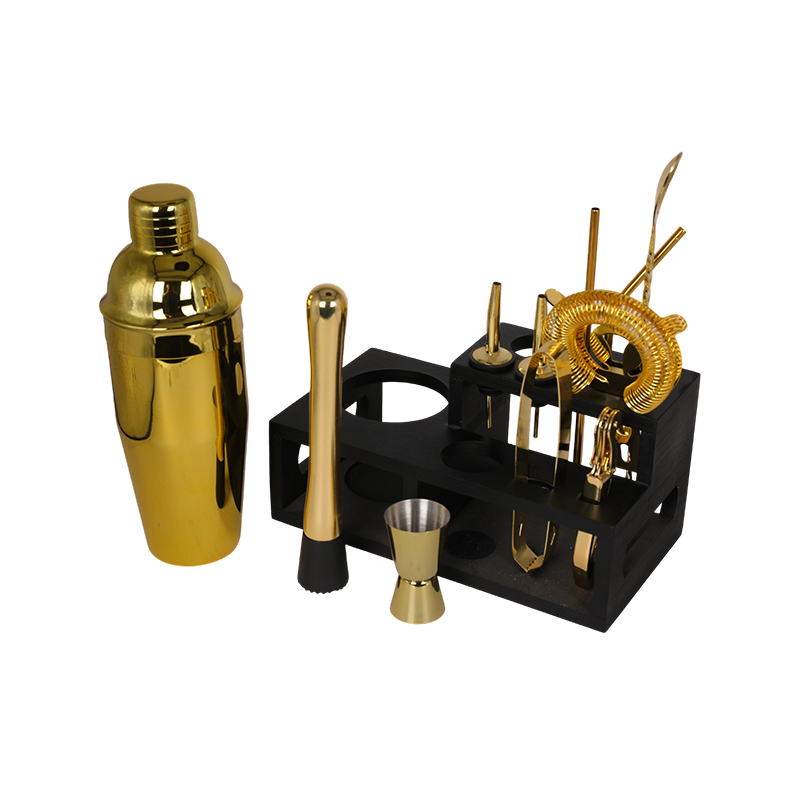
The Shift Toward Structured Home Mixology
Cocktail preparation at home has evolved beyond basic combinations of spirits and mixers. Social media tutorials, recipe-sharing platforms, and cocktail-focused events have encouraged users to explore techniques such as shaking, stirring, muddling, and double straining. As a result, improvised kitchen tools are often replaced with dedicated bar equipment.
A complete set typically includes a shaker, jigger, strainer, muddler, bar spoon, fine mesh strainer, pour spouts, stirring straw, citrus picker, ice tongs, and a wine key. Having these tools coordinated in one kit simplifies the purchasing process and ensures compatibility between components. Instead of assembling items separately, consumers prefer integrated sets that are ready for immediate use.
This structured approach supports both casual entertaining and regular practice, which contributes to steady demand for well-designed bartender kits.
Material Durability and Long-Term Use
Material selection significantly influences purchasing decisions. Stainless steel is widely used for bar tools due to its resistance to corrosion, surface staining, and mechanical deformation. Frequent exposure to citrus juice, syrups, carbonated beverages, and alcohol requires materials that can withstand acidic and sugary residues without degrading.
Stainless steel tools typically offer:
- Consistent structural strength during repeated shaking and stirring
- Surfaces that are easy to clean with standard dishwashing detergents
- Resistance to rust when properly dried
The weight of stainless steel also contributes to balanced handling. A shaker with sufficient thickness provides stable motion during shaking. Jiggers maintain measurement accuracy because the material does not easily warp. These practical characteristics influence buying decisions, especially among users who plan to prepare drinks regularly.
Demand is therefore not solely driven by aesthetics but by the expectation of sustained performance over time.
The Importance of Measurement Accuracy
Home bartenders often struggle with inconsistent drink ratios. Without proper measurement tools, cocktails may become overly diluted or too concentrated. The inclusion of a clearly marked jigger addresses this issue directly.
Dual-sided jiggers allow users to measure different volumes without switching tools. Engraved internal markings support smaller incremental measurements, which are helpful for recipes requiring half or quarter portions.
Accurate measurement improves repeatability. When users can replicate a recipe successfully, they are more likely to continue experimenting. This functional benefit contributes to ongoing demand for complete stainless steel sets rather than individual decorative accessories.
Storage Solutions and Countertop Organization
As home spaces become more compact, storage efficiency plays a larger role in purchasing decisions. A bartender kit with a stand addresses this concern by providing a designated structure for tool arrangement.
Instead of placing accessories loosely in drawers, the stand offers vertical organization. This supports:
- Quick identification of each tool
- Reduced countertop clutter
- Improved air circulation after washing
- Lower risk of losing smaller components
When tools are visible and neatly arranged, they become part of the kitchen environment rather than hidden equipment. This visibility often encourages regular use, reinforcing the value of the purchase.
Consumers increasingly prioritize products that combine function with organized presentation, which explains the growth in demand for kits that include dedicated stands.
Hygiene and Maintenance Considerations
Cleanliness has become a prominent factor in kitchen and bar equipment selection. Stainless steel surfaces are non-porous, making them easier to rinse and sanitize compared to certain coated materials. Residue from syrups or fruit pulp can be removed without surface damage when cleaned promptly.
Routine care usually involves rinsing tools immediately after use and drying them thoroughly. Many stainless steel components are dishwasher safe, although handwashing can help maintain surface finish. The presence of a stand supports drying by allowing water to drip away naturally.
Accessories such as ice tongs and citrus pickers require particular attention because they directly contact ingredients. Stainless steel construction tolerates repeated washing cycles, which supports hygienic preparation practices.
These maintenance advantages contribute to consumer preference for stainless steel tool sets over mixed-material alternatives.
Compatibility with Modern Interior Design
Home bars are often integrated into shared living spaces rather than isolated rooms. As a result, appearance matters alongside function. Stainless steel tools coordinate visually with common kitchen appliances, including ovens, sinks, and refrigerators.
The metallic finish presents a neutral appearance that blends with wood, stone, or composite countertops. When arranged on a stand, the tools create a tidy visual display that complements contemporary interiors.
Demand is partly influenced by this dual function. The kit serves as both equipment and a design element, allowing users to maintain a cohesive aesthetic without sacrificing practicality.
