

 English
  Español
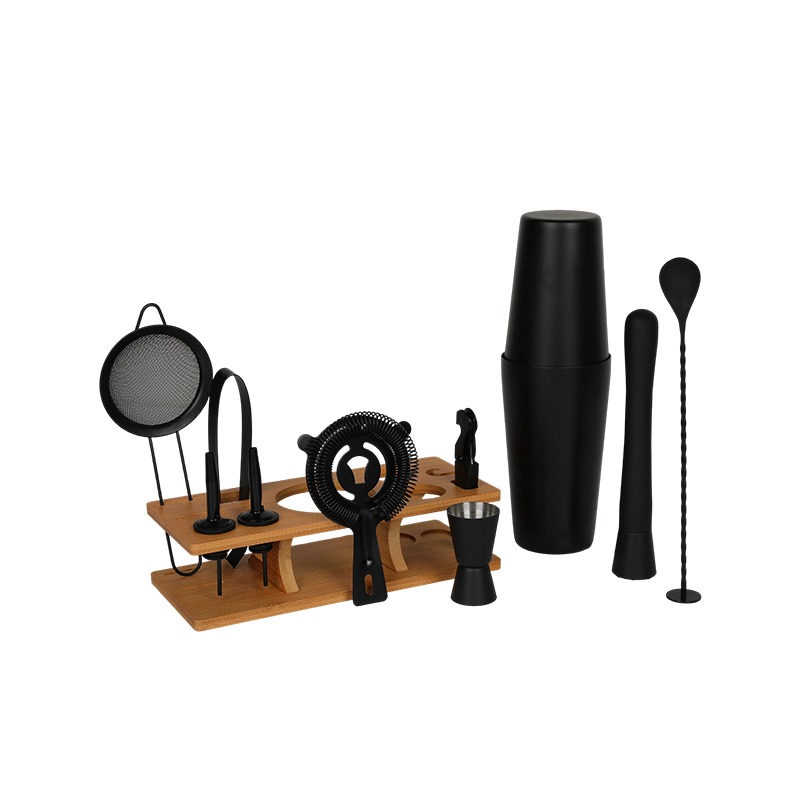
Rooted in a period where bars and home cocktail spaces increasingly prioritize organization and craftsmanship, discussions about the Design Bartender Kit with Stand, the Wholesale Mixology Cocktail Kit, and the Bar Mixology Set For Sale continue to grow. Many bartenders and hospitality suppliers seek tool sets that balance manufacturing quality, functional layouts, and long-term practicality. Understanding how these sets differ and what factors influence performance helps both professionals and enthusiasts make choices that align with their daily workflow demands.
Understanding How Bartender Kits Fit Into Modern Workflows
A bartender’s workstation is shaped by efficiency. The layout determines how often a drink is made smoothly or requires additional adjustments. A Design Bartender Kit with Stand addresses this by providing tools in a fixed structure, preventing common issues such as misplaced jiggers, rolling spoons, or disorganized strainers. These stands vary significantly in material, weight, spacing, and durability.
Bars with limited counter space often find structured stands helpful because they reduce tool scatter during peak hours. For home users, a stable stand also functions as display storage, keeping metal tools dry and ventilated. While stands made from wood, stainless steel, or composite materials each offer unique advantages, the important consideration remains how well the stand supports long-term use and keeps tools accessible.
Evaluating Wholesale Mixology Cocktail Kit Options
When suppliers and purchasing managers explore options for a Wholesale Mixology Cocktail Kit, they commonly analyze the kit’s completeness, production consistency, and packaging methodology. Wholesale purchasing is connected to batch quality, shipping stability, and cost-efficiency.
A well-designed wholesale kit should consider:
Material selection — Stainless steel variations (201, 304) offer different resistance to wear and ingredients.
Weight balance — Shakers that are too light may dent easily, while overly heavy styles slow down service.
Thread and seal design — This determines whether shaker pieces fit smoothly without leaking.
Strainer tension — Springs with appropriate elasticity ensure cleaner pours.
Bulk buyers also evaluate whether the kit suits different environments—hotel bars, cafés, restaurants, training schools, and home users often have different expectations. Providing options like matte finishes, plated colors, or customized branding helps wholesalers expand the kit’s application range.
Another common question concerns whether a kit should include advanced tools such as atomizers or muddler styles. For wholesale purposes, the safe approach is focusing on foundational tools and offering optional extensions. This keeps the kit universally usable while still allowing customization.
How Bar Mixology Sets Support Skill Development
A Bar Mixology Set For Sale is often evaluated by new bartenders who want a structured starting point. Sets with complete basic tools help learners understand proper shaking rhythm, pouring control, stirring consistency, and the use of fine strainers.
The educational impact of these sets increases when tools are manufactured with accurate measurements. For example:
A jigger with well-marked inner lines assists users in controlling pours.
A balanced bar spoon stabilizes stirring in mixing glasses.
A shaker with precise wall thickness improves the sensory feedback during shaking.
Training centers frequently purchase sets in bulk to maintain tool uniformity across classes. When students practice with identical tools, instructors can provide more direct guidance. Additionally, uniformity helps new learners avoid developing habits that only work on specific tool models.
The presence of visual consistency in a set also supports the sensory side of training; many bartenders rely on weight memory to refine muscle control. A uniform set shortens the learning curve.
Choosing Materials and Finishes for Daily Practicality
The finish of a bartender kit often influences maintenance routines. While glossy finishes offer a polished look, they require more frequent wiping to manage fingerprints. Brushed finishes can hide minor surface marks but may show streaking if cleaned unevenly. Matte finishes generally create a modern appearance but sometimes vary in smoothness depending on the coating process.
The choice depends on where the kit will be used. High-traffic commercial bars may prioritize ease of cleaning, while boutique bars and event venues may prioritize appearance. Home users often prefer cozy, display-friendly finishes that complement interior spaces.
Material construction also determines how tools handle acidity from citrus or alcohol exposure. High-grade steel generally handles repeated use without significant dulling or odor retention. Regardless of the grade, consistent maintenance—rinsing after use, fully drying the tools, and avoiding harsh abrasives—extends the functional life of the set.
How Stand-Based Kits Improve Organization and Hygiene
A stand serves functions beyond simple display. In many bars, tools are rinsed repeatedly throughout service. A designated stand helps them dry naturally, reducing the likelihood of moisture collecting at the bottom of drawers or storage boxes. This supports better hygiene management and reduces odor buildup.
The structure of the stand also affects tool longevity. Holes or slots that are too narrow may cause scratches on shakers or jiggers. Open-frame stands allow air circulation but may provide less support for heavier items. Enclosed stands offer more stability but should be monitored for moisture accumulation.
When selecting a stand-based kit, bars often consider the environment’s humidity level, the speed of their dry cycles, and how frequently their bartenders switch between tools.
Wholesale Purchasing Considerations for Global Markets
For distributors and wholesalers evaluating a Wholesale Mixology Cocktail Kit, shipping safety becomes an essential component. Tools with sharp edges, such as zesters and peelers, must be packed with secure guards. Metal tools should be individually wrapped to prevent scratching in transit, especially for plated finishes.
Bulk buyers also consider regional cocktail habits. Markets with strong tropical cocktail cultures may prefer larger muddlers, while regions with whisky-based traditions lean toward heavier mixing spoons and robust strainers. Understanding these preferences increases product suitability and reduces return rates.
Custom packaging is another consideration. Some markets require simple kraft packaging for eco-conscious audiences, while gift-oriented markets prefer display boxes. Offering variations of the same mixology kit broadens reach without redesigning tools.
Supporting Both Professional and Home Mixology Growth
The rising interest in home cocktail preparation has changed expectations for the Bar Mixology Set For Sale segment. Many home users seek professional-level quality but want tools that feel intuitive. As a result, sets increasingly include helpful measurement marks, bottle-friendly pourers, and clear guides.
Professionals, on the other hand, evaluate tools based on repetition comfort. Long shifts require tools that do not strain wrists or fingers. With this in mind, manufacturers pay attention to shaker opening angles, spoon handle curvature, and grip texture. A single bartender may repeat a motion hundreds of times during service, so ergonomic shaping directly impacts long-term comfort.
Trends Shaping the Design of Modern Bartender Kits
Several trends influence how modern bartender kits evolve:
Modular stands allowing users to rearrange tool positions
Color-coated tools designed for thematic bars or seasonal events
Mixed-material kits combining steel with wood or resin elements
Compact kits for mobile bartending businesses
Weighted tools that support controlled movement during complex drink making
These developments reflect broader industry needs—flexibility, ease of training, and compatibility with different bar styles. Manufacturers continue adapting designs based on feedback from bartenders, event planners, and bar consultants.
Elevating User Experience Through Practical Design
Whether businesses choose a Design Bartender Kit with Stand, a Wholesale Mixology Cocktail Kit, or a Bar Mixology Set For Sale, the goal remains consistent: supporting smooth workflows, consistent drink preparation, and enjoyable daily use. Selecting the right combination of materials, structure, tool balance, and packaging helps bars and users achieve long-term value. As the cocktail industry continues expanding across commercial and home environments, practical, thoughtfully produced bartender kits play an increasingly important role in shaping user experience and operational efficiency.
