

 English
  Español
Selecting bar tools is often treated as a simple purchasing decision, yet the quality and structure of those tools shape daily bartending work in subtle ways. A mixology cocktail kit is not only about having multiple items in one package; it reflects how well those items support real preparation needs, recipe execution, and long-term use. When evaluating a professional cocktail kit, it is helpful to look beyond appearance and focus on practical details that influence usability, consistency, and maintenance. Understanding what to check before making a choice can help users avoid mismatches between tools and actual working scenarios.
Clarifying Intended Use and Working Environment
Before examining individual components, it is important to consider where and how the kit will be used. A professional bar, a catering setup, and a training environment may share similar tools, but expectations around volume, durability, and workflow can differ. For example, frequent service requires tools that are comfortable to handle repeatedly, while training environments may prioritize clarity of function and ease of learning.
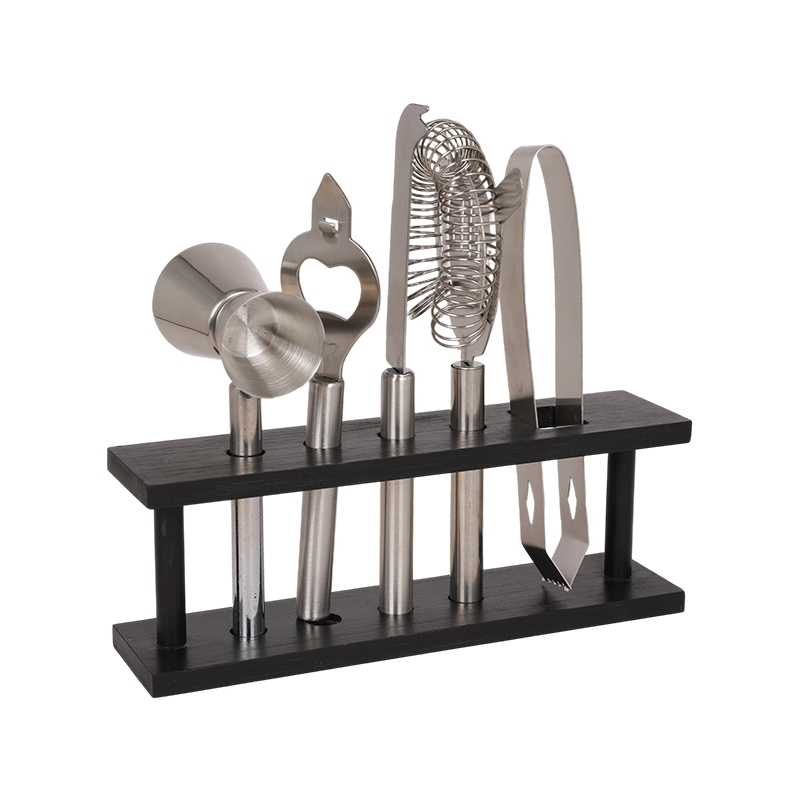
Clarifying these conditions helps determine whether the kit’s composition aligns with real needs. A kit that includes core tools such as shakers, strainers, jiggers, bar spoons, muddlers, and ice accessories generally supports a wide range of classic and modern recipes, but the specific designs and quantities should match the pace and style of use.
Evaluating Tool Completeness Without Redundancy
A professional cocktail kit should cover the main stages of drink preparation without unnecessary duplication. Checking the included items is not about counting how many tools are present, but about whether each one serves a clear purpose.
Shakers, for instance, may include both a Boston-style shaker and a three-stage shaker. This combination supports different preparation preferences, but users should consider whether both are relevant to their menu and workflow. Similarly, the presence of both a standard strainer and a fine mesh strainer supports different texture requirements, while additional items like pour spouts or juicers should be evaluated based on how often they are likely to be used.
A balanced kit supports flexibility without creating clutter, allowing bartenders to reach for the appropriate tool without sorting through rarely used items.
Assessing Material Choices and Surface Finish
Material selection has a direct impact on durability, hygiene, and handling comfort. Stainless steel is commonly used for shakers, strainers, and bar spoons due to its resistance to corrosion and ease of cleaning. When reviewing a mixology cocktail kit, it is worth checking whether metal components are made from food-grade stainless steel and whether edges and joints are smoothly finished.
Plastic or silicone components may appear in items such as pour spouts or grips. These materials should also be food-grade and designed to withstand repeated washing. Rough seams, sharp edges, or uneven finishes can affect comfort during extended use and may complicate cleaning routines.
Checking Measurement Clarity and Accuracy Support
Measurement tools play a central role in cocktail preparation, so their design deserves careful attention. A jigger or measuring cup should have clearly marked volumes that remain visible after repeated use. Markings that are etched or embossed rather than printed tend to remain legible longer.
Users should also consider whether the measurement ranges align with the recipes they commonly prepare. A professional cocktail kit that includes versatile measuring options reduces the need for additional tools and supports consistent portioning across different drinks.
Reviewing Shaker Fit and Handling
The effectiveness of a shaker depends not only on its capacity but also on how its parts fit together. When evaluating a kit, it is useful to check whether shaker components align securely without requiring excessive force. A stable seal helps prevent spills and allows bartenders to focus on timing and technique.
Handling comfort also matters. The weight, balance, and surface texture of a shaker influence how easily it can be used during busy service. A design that feels stable in the hand supports smoother motion and reduces fatigue during repeated use.
Considering Strainer Design and Compatibility
Strainers are often overlooked during purchasing decisions, yet their design affects both workflow and drink texture. A standard strainer should fit securely over the shaker or mixing glass it is intended for. Springs or perforations should be evenly spaced to allow liquid to pass while retaining solids.
Fine mesh strainers should be checked for mesh density and frame stability. A loose or uneven mesh may deform over time, affecting filtration consistency. Compatibility between strainers and other kit components supports smoother transitions during service.
