
 English
  Español
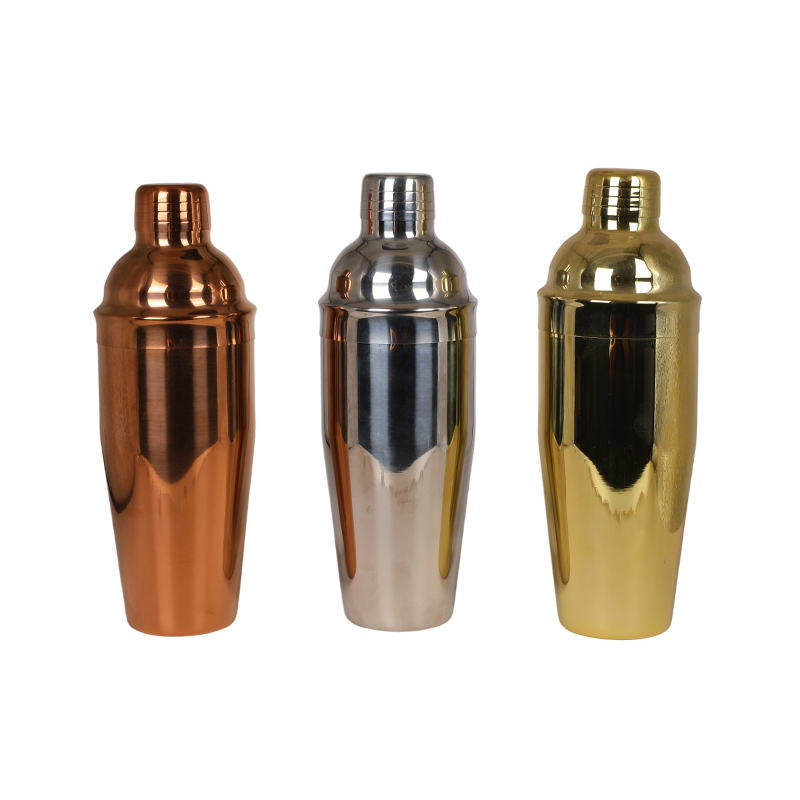
A shaker bottle sits in gym bags, rolls around car cup holders, and gets dropped on locker room floors. It holds protein powder and water in the morning, pre-workout in the afternoon, and sometimes just water after that. The lid has to stay sealed. The mixing mechanism has to break up clumps. The stainless steel body has to survive the drops without denting. A stainless steel glass shaker does what a plastic shaker does, but it does not hold odors, it does not stain from fruit powders, and it looks like something an adult carries rather than something handed out at a kids' sports camp. Here is what fitness brands, promotional product buyers, and supplement companies should know.
The Seal That Keeps the Shake Inside
A shaker lid has a harder job than a water bottle lid. The contents get shaken violently. Air pressure builds as the liquid moves. A lid that seals for sipping might not seal for shaking. A stainless steel glass shaker with a screw-top lid and a silicone gasket compressed into a machined groove keeps the seal during aggressive shaking. Flip caps that snap over a drinking spout add a second layer of leak protection but only if the snap mechanism engages fully every time.
The drinking spout design affects both seal and flow. A wide spout pours thick shakes without clogging. A narrow spout dribbles protein sludge and frustrates the user mid-workout. A stainless steel glass shaker with a spout diameter matched to typical shake viscosity delivers the drink at the speed the user expects.
Thread engagement between the lid and the body matters more on stainless steel than on plastic. Metal threads that are cut shallow or have a rough finish bind and cross-thread. A stainless steel glass shaker with precisely machined threads and a clear mechanical stop when the lid is fully seated prevents the cross-threading that ruins lids and spills shakes.
The Mixing System Inside
A shaker without a mixing mechanism is just a bottle. The powder sits at the bottom. The user drinks water from the top and chokes on a dry clump at the end. A stainless steel glass shaker includes a mixing insert, usually a wire whisk ball or a snap-in strainer grid, that breaks up powder as the liquid moves through it.
Wire whisk balls are simple and effective. The ball moves freely inside the shaker and smashes clumps against the walls as the user shakes. A stainless steel glass shaker with a whisk ball made from matching stainless steel avoids rust and cleans easily. Cheap whisk balls made from plated steel corrode after repeated contact with acidic fruit powders and dishwasher cycles.
The snap-in strainer grid sits at the top of the shaker body, just below the lid. Liquid passes through the grid on its way to the spout, catching any clumps that survived the shaking. A stainless steel glass shaker with a strainer grid made from flexible silicone that snaps into a retention groove stays in place during pouring and removes easily for cleaning. A grid that pops out mid-pour dumps powder chunks into the user's mouth.
The Body That Takes the Abuse
Stainless steel earned its place in shakers for reasons plastic cannot match. It does not absorb odors. A plastic shaker that held a chocolate protein shake on Monday still smells like chocolate on Friday, even after washing. A stainless steel glass shaker rinses clean and smells like nothing. It does not stain from turmeric, berry powders, or green supplements that turn clear plastic yellow after one use.
Double-wall vacuum insulation keeps cold drinks cold and prevents exterior condensation. A stainless steel glass shaker with vacuum insulation can sit on a desk or a gym bench without leaving a puddle of sweat. Single-wall stainless steel is lighter and cheaper but transfers temperature and drips condensation in humid environments.
The base of the shaker needs a stable footprint. A narrow base tips over on uneven surfaces. A stainless steel glass shaker with a widened base or a silicone anti-slip boot stays upright on a gym floor, a car seat, or a slanted desk.
Here is what a shaker built for daily use needs to deliver:
- Screw-top lid with a silicone gasket in a machined groove
- Mixing insert that breaks up powder without rusting or popping loose
- Stainless steel body that does not hold odors or stain from ingredients
- Spout diameter matched to shake viscosity for consistent flow
Where a Cheap Shaker Shows Its Age
The lid threads are the first failure point. A stainless steel glass shaker with shallow or poorly machined threads strips after a few months of daily use. The lid no longer tightens fully. The shaker leaks. The user throws it away and buys a different brand. Thread quality on the body and the lid determines whether the shaker lasts a year or a season.
The finish on the stainless steel body shows wear patterns over time. A painted or powder-coated exterior that chips after a few drops looks worse than a brushed or blasted natural stainless finish that hides scratches. A stainless steel glass shaker with a durable finish keeps its appearance through the life of the product.
A stainless steel glass shaker goes where the user goes. The gym. The office. The car. It gets shaken, dropped, and washed hundreds of times. Choose a shaker built with a reliable lid seal, a mixing system that actually breaks up clumps, and a body that does not hold onto yesterday's protein shake. The drink will mix smooth and the shaker will stay sealed. That is the baseline.