
 English
 Español
A cocktail shaker does two jobs: it chills the drink and it keeps the ice from watering it down too fast. An insulated stainless steel cocktail shaker adds a third: it keeps the cold inside the tin and off the hand. The double wall slows the heat transfer, the outer surface stays comfortable to hold, and the condensation on the outside is reduced. For the home bartender, the craft bar, and the gift buyer, the insulated shaker is the upgrade that changes the experience on both sides of the metal.
The Double Wall and the Chill
The single-wall shaker chills fast and transfers the cold straight to the hand. The double-wall shaker with the vacuum or the air gap between the walls holds the temperature longer, and the drink stays cold through the second round.
An insulated stainless steel cocktail shaker with the vacuum insulation keeps the ice from melting as fast during the shake, so the dilution is controlled. The craft bartender cares about the dilution as much as the temperature, and the insulated shaker gives the control.
The Stainless Grade
The 18/8 or the 304 stainless resists the corrosion from the citrus and the acidic mixers. The 18/0 or the cheaper grade rusts at the seam after a few months of the daily use.
An insulated stainless steel cocktail shaker with the 18/8 body and the polished or the brushed finish looks good and holds up. The finish that hides the fingerprints is the practical choice for the working bar.
The Seal and the Shake
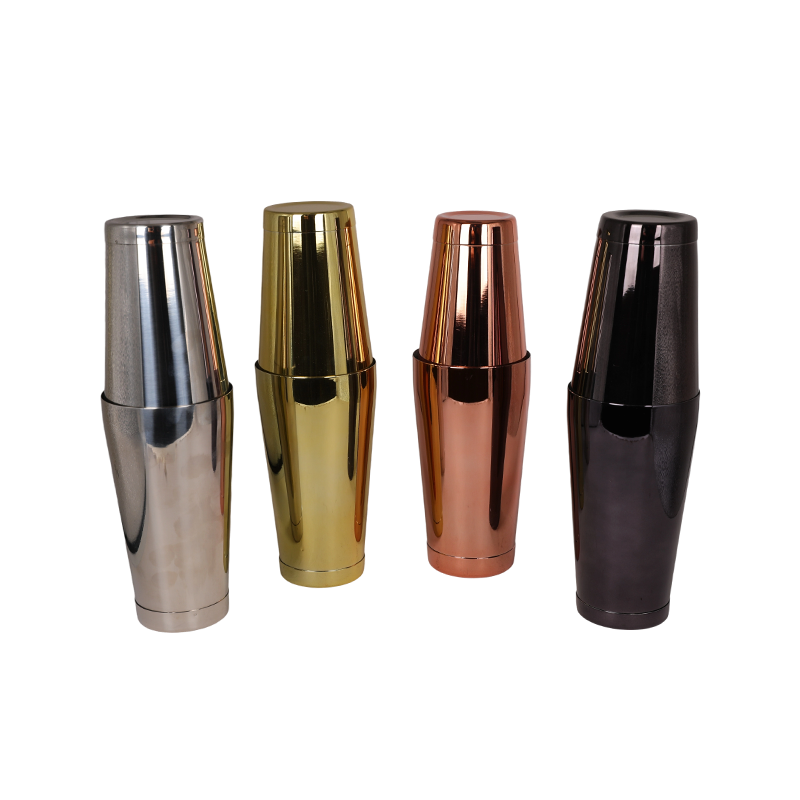
The cobbler shaker has the three pieces, and the middle cap has the strainer. The Boston shaker has the two tins that seal by the friction. The insulated version comes in both formats, and the seal is the part that decides whether the shaker leaks on the bar.
An insulated stainless steel cocktail shaker with the properly matched taper on the Boston or the snug cap on the cobbler seals during the shake and releases without the fight.
The Weight and the Balance
The double wall adds weight. The shaker has to balance in the hand, with the center of gravity near the grip. The insulated shaker that is too heavy tires the wrist after a few drinks, and the one that is too light feels cheap.
What the factory has to deliver:
- Double-wall or vacuum insulation for the chill retention
- 18/8 stainless body that resists the citrus and the mixers
- Properly matched taper or the snug cap for the leak-free shake
- Weight and the balance for the extended use
- Finish that hides the fingerprints and resists the scratches
- The cobbler or the Boston format matched to the user
The Home Bar and the Craft Bar
The home bartender uses the insulated shaker for the weekend cocktails and the dinner party. The craft bar uses it on the service well, where the dilution and the temperature decide the drink. The gift buyer picks it for the presentation.
When the Shaker Fails
The seam rusts because the stainless grade was too low. The cap seizes because the taper was wrong or the metal contracted from the cold. The insulation fails because the vacuum was lost or the double wall was not sealed. The finish scratches because the coating was thin. Each one is a factory decision made before the shaker reaches the bar.