

 English
  Español
Changing social habits and growing awareness around wellness are influencing how people approach drinking at home. A boston shaker bar set and a thoughtfully arranged barware kit are no longer limited to making traditional cocktails. They are increasingly used to prepare low-alcohol or alcohol-free beverages that still offer complexity, texture, and visual appeal. With the right tools and approach, users can explore new drink styles without relying heavily on high-proof spirits, making these kits relevant to evolving lifestyle preferences.
Shifting Drinking Habits and the Rise of Lighter Options
Consumer interest in low alcohol consumption has gradually expanded across different age groups. Instead of eliminating social drinking altogether, many people are choosing to reduce alcohol intake while maintaining the experience of crafting and enjoying beverages. This shift has led to a growing demand for tools that support flexibility in drink preparation. A barware setup provides that flexibility by allowing users to experiment with ingredients such as fresh juices, herbs, soda water, tea infusions, and low-alcohol spirits.
A boston shaker bar set plays a central role in this process. Its design allows for proper mixing, chilling, and dilution, which are essential for balancing drinks that may rely more on subtle flavors rather than strong alcohol bases. Without proper dilution and integration, low-alcohol drinks can taste flat or overly sweet. The shaker helps maintain structure and consistency, even when alcohol content is reduced.
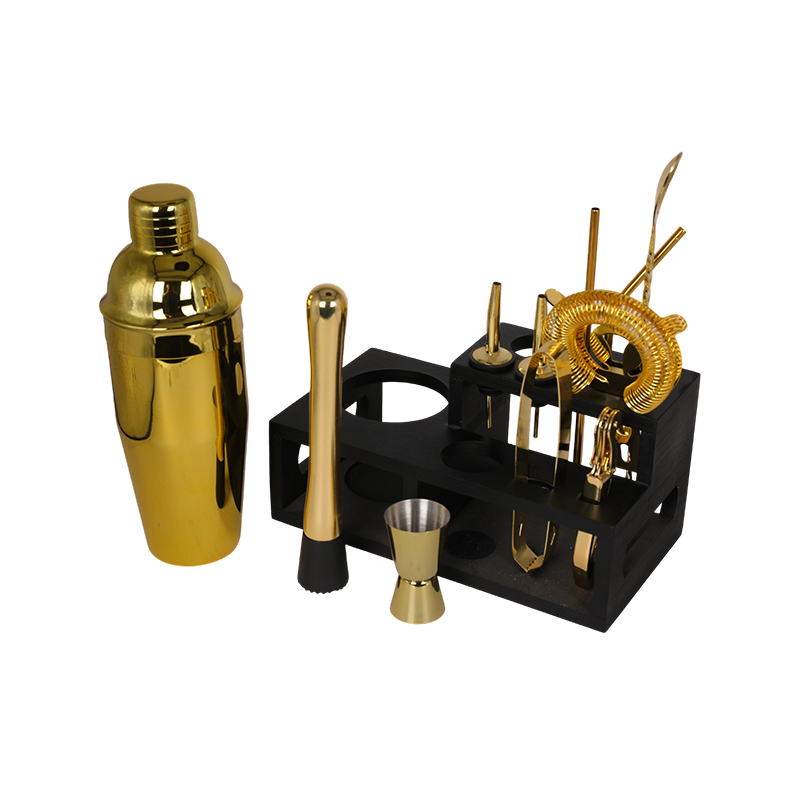
Practical Functions of a Barware Kit in Low Alcohol Preparation
A well-equipped barware kit includes tools that directly contribute to the quality and versatility of lighter beverages. Each component supports a specific step in drink-making, helping users maintain control over flavor and presentation.
Jigger for accurate measurement
Low-alcohol drinks often require precise ratios to avoid overpowering flavors. Measuring tools help maintain balance between mixers, syrups, and low-proof spirits.
Mixing spoon for controlled blending
Stirring is useful for drinks that should remain clear and smooth, such as spritz-style beverages or tea-based cocktails.
Strainer for texture refinement
Straining removes pulp, ice shards, or herbs, resulting in a cleaner drinking experience, which is especially important when subtle flavors are involved.
Muddler for natural flavor extraction
Fresh ingredients like mint, citrus, or berries can replace some of the intensity usually provided by alcohol, adding depth without increasing strength.
Pourers and bottle accessories
These help regulate flow and reduce waste, which becomes relevant when working with multiple ingredients in small quantities.
These tools work together to support consistency and allow users to adjust recipes according to personal preferences without unnecessary complexity.
Expanding Ingredient Possibilities Beyond Traditional Spirits
Low alcohol beverages often rely on a wider range of ingredients compared to standard cocktails. A barware setup encourages experimentation with items that may not typically be used in high-alcohol drinks. These include fermented beverages like kombucha, flavored sparkling water, botanical extracts, and non-alcoholic spirits.
Using a boston shaker bar set, users can combine these ingredients effectively, ensuring that flavors are evenly distributed. For example, shaking citrus juice with a mild aperitif and soda base can create a refreshing drink with layered taste, while maintaining a lower alcohol level. Without proper mixing tools, achieving this balance can be difficult.
In addition, temperature control becomes more noticeable in low-alcohol drinks. Since alcohol contributes to mouthfeel and warmth, chilling techniques handled by a shaker help compensate by creating a smoother texture.
Supporting Social Settings Without Pressure
A barware kit also plays a role in shaping social experiences. Hosting gatherings with a variety of drink options allows guests to choose according to their preferences without feeling limited. Offering low-alcohol or alcohol-free cocktails prepared with the same care as traditional drinks helps create a more inclusive environment.
Instead of serving pre-made beverages, hosts can use a boston shaker bar set to prepare drinks on demand. This adds an interactive element and demonstrates that reduced alcohol options can still be thoughtfully crafted. Guests who prefer lighter drinks can still enjoy the process and presentation typically associated with cocktail culture.
Balancing Flavor Without Relying on Strength
One of the main challenges in low alcohol drink preparation is achieving a satisfying flavor profile. Alcohol often acts as a carrier for aromas and contributes to the body of a drink. When reducing it, other elements need to compensate.
A barware kit supports this balance by enabling techniques such as shaking, stirring, and muddling, which help integrate ingredients more effectively. For instance, combining citrus, herbal elements, and a small amount of low-proof spirit can produce a layered taste when mixed correctly. The shaker introduces controlled aeration, which can enhance the perception of freshness.
Sweetness, acidity, and bitterness become more important in this context. Measuring tools within the kit help maintain these elements in proportion, preventing the drink from becoming overly sweet or diluted.
